
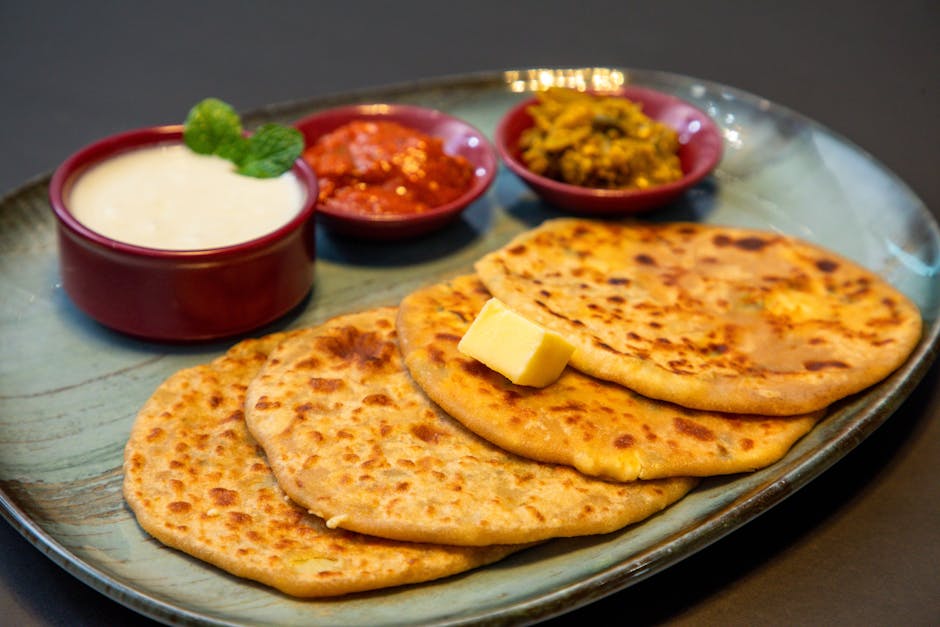
Travelling across India isn’t only about crossing off destinations from an itinerary. It’s about consuming stories, meeting people in their kitchens, and understanding how food influences our lives. From the smell of smoky street grills to the peaceful, cosy home-cooked meals, every region has something distinctive to provide. If you’re someone who plans trips around which food to have next, India will feel like an endless table.
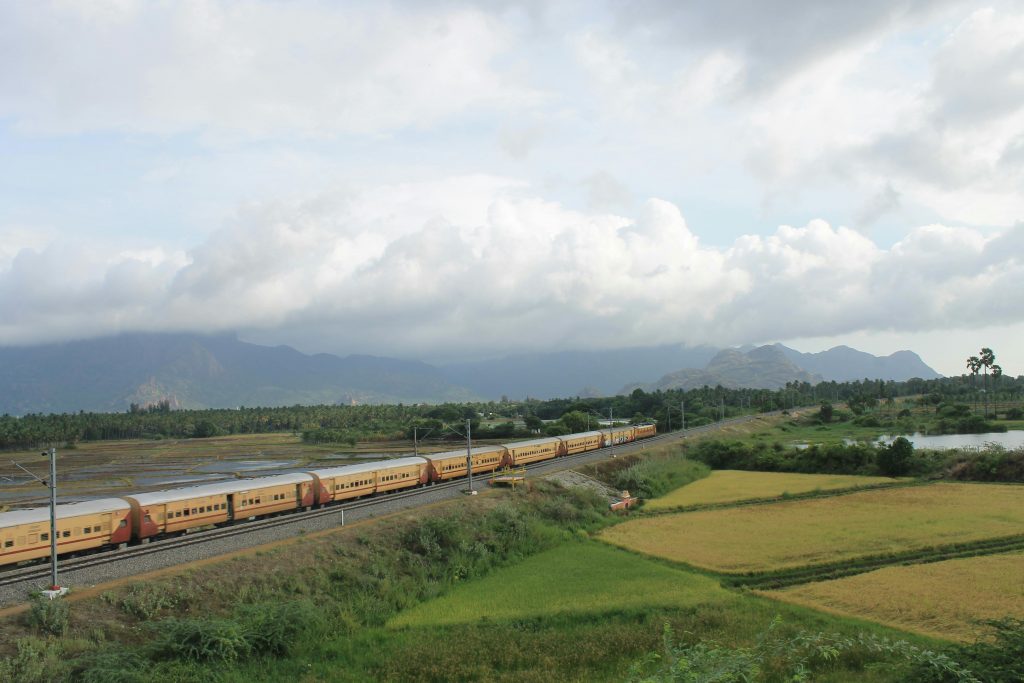
Food trips here aren’t always predictable. It is possible to start your day with a basic breakfast in a small town and finish your evening with a lavish dinner in the city. The attraction lies in the difference. Every meal is unique and not identical, even though they are made with similar ingredients. That’s what keeps people coming back to the restaurant for more. Planning your trip is much like choosing what you’ll eat. Many foodies prefer trains for long-distance travel, as they offer the chance to taste local food at stations, connect with fellow passengers, and see the scenery slowly change. It gives a sense of authenticity that airlines typically do not offer.
If you’re mapping your food route, making a note of your travels will help you remain flexible. Monitoring your PNR status before departure will help you avoid last-minute confusion, especially when you’re travelling between cities known for their regional food.

Tips for Travelling Food Lovers
Book train tickets in advance if your food trail includes multiple cities, as popular routes tend to fill up quickly. Food travel requires some preparation; however, it need not be rigid. Make sure you have time to discover new places. Some of the most delicious meals are made when you stick to the local recommendations rather than an online guidebook.
Find food stalls that are packed and have high turnover, which usually indicates fresher food. Take a basic medicine if you’re sensitive to new food items.
Also, do not rush. Food in India is best enjoyed slowly. Be sure to fully comprehend what you’re eating, take your time, ask questions, and appreciate the work that goes into every dish.
North India: Rich Flavors and Comfort Foods
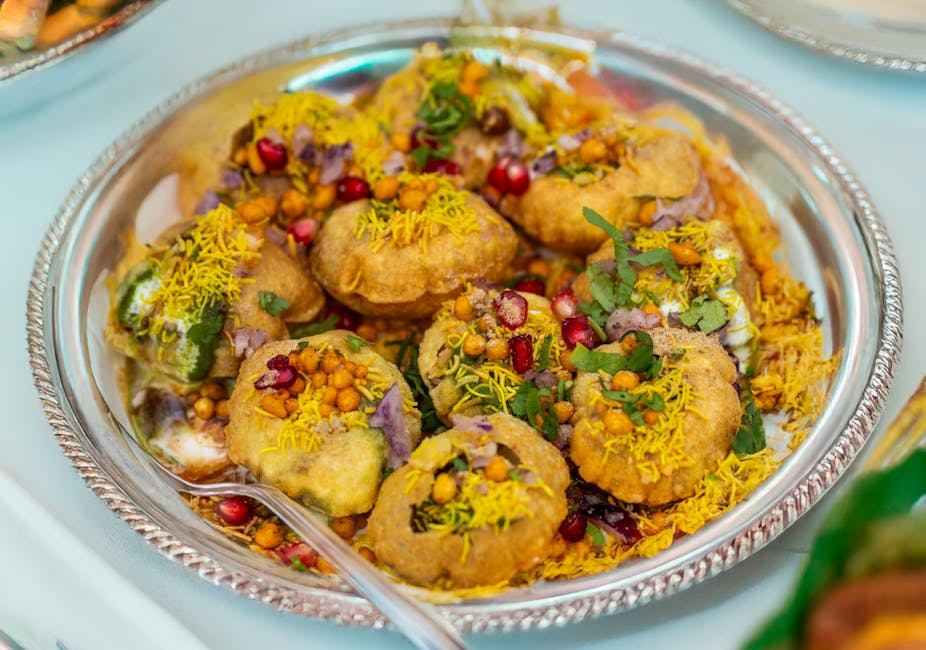
North India is often the beginning point for many tourists. Cities such as Delhi, Amritsar, and Lucknow are famous for their smoky tastes and delicious food. Delhi street food, it is almost a whole culture in and of itself. There are chaat sellers at busy intersections, serving tangy dishes that explode with flavour. Parathas that are filled with anything from paneer to potatoes are a must to try, particularly in the more secluded areas in the centre of town.
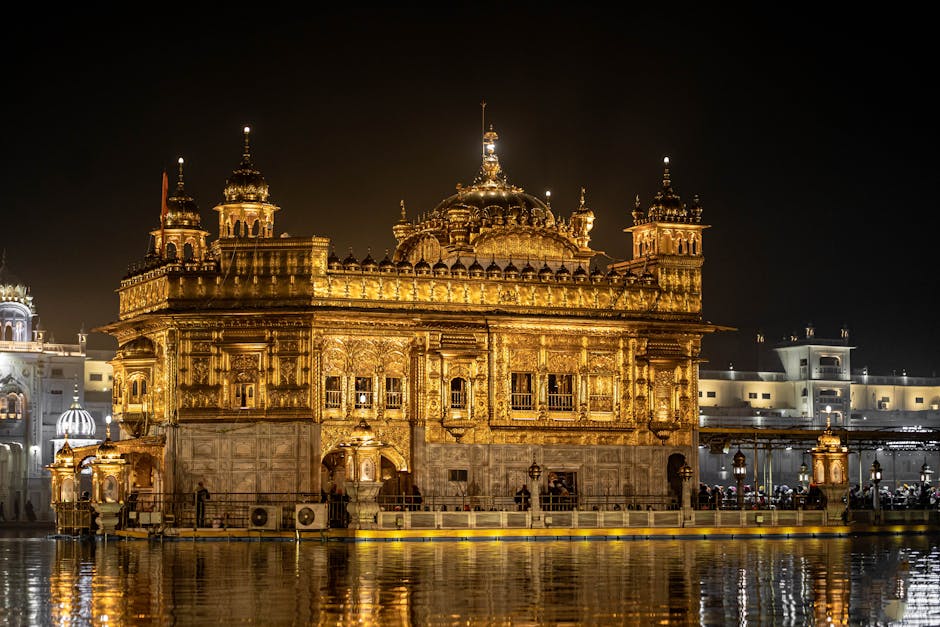
Amritsar is a completely different experience. The food served at Amritsar’s Golden Temple is simple yet extremely satisfying. It illustrates how food can unite people without any notion of hierarchy. Lucknow, in contrast, revolves around slow-cooked meals. Melt-in-your-mouth kebabs and delicious biryanis that smell divine define Lucknow’s culinary culture.
West India: A Blend of Sweet, Spicy, and Coastal Tastes
When you go west, the food has a different texture and flavour. Rajasthan is a place of rustic charm, with dishes made to withstand a dry climate. Dal baati churma, for instance, is a classic instance. It’s filling, tasty and deeply rooted in tradition.
Gujarat provides a light, vegetarian spread that offers an equal amount of savoury and sweet flavors. Traditional thalis here offer the best of everything, from soft rotis to sweet pickles.
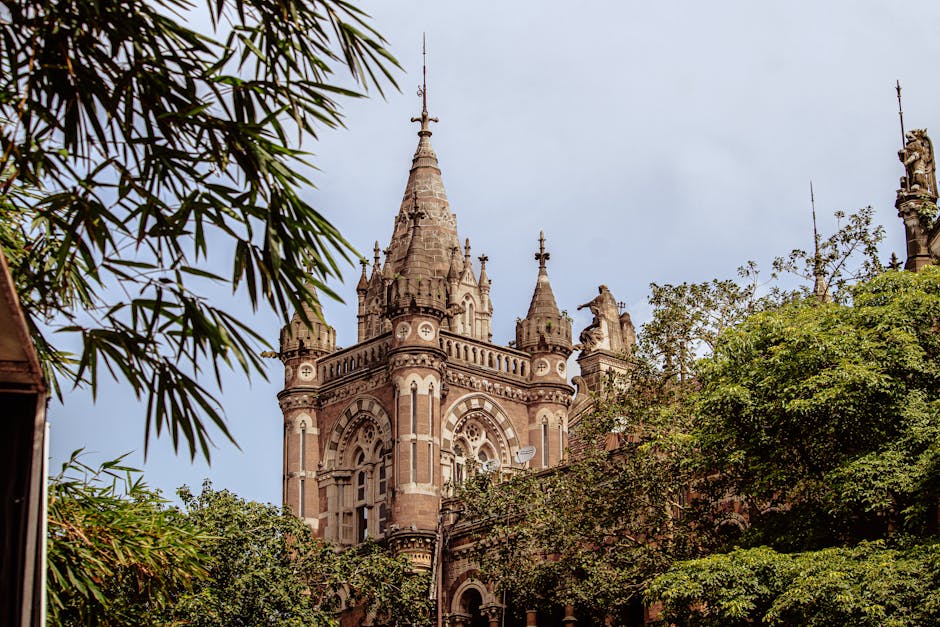
There is also Maharashtra. Mumbai is notable for the street food it serves. Vada pav, Pav Bhaji, as well as Bhel Puri, are fast meals that are a part of Mumbai’s bustling lifestyle. Further south along the coast, you’ll see the rising popularity of seafood dishes that are influenced by the local flavors and coconut.
South India: Simplicity with Depth
South India is where simple ingredients are combined to create sophisticated flavors. In states such as Tamil Nadu, Karnataka, Kerala, and Andhra Pradesh, rice is an essential ingredient, usually served with vegetables, lentils, and spices.
Breakfast at the restaurant is worth looking for. Dosa, idli, and vada, served with chutney and sambar, are tasty and light. Kerala is notable for incorporating coconut into both vegetarian and non-vegetarian meals. Seafood is fresh and usually cooked with mild spices that do not overwhelm the main ingredient.
Andhra cuisine is famous for its hotness. If you like spicy food, this region will not disappoint. Food is usually presented on a banana leaf, an old-fashioned touch to the flavour.

East India: Subtle Flavours and Unique Traditions
Eastern India is often overlooked; however, it is home to many of the most unique cuisines. West Bengal is known for its sweets, particularly those made with milk. Rasgulla, along with sandesh, is widely enjoyed; however, the meals served daily in the region are just as intriguing. Cooking fish in mustard gravy has become an essential part of it.
Odisha and Assam provide simple dishes that emphasise fresh and local ingredients. Seasonal fish, rice and vegetables form the basis of many meals. The flavours are light, allowing the natural flavour that the food ingredients provide to shine through.
In the Northeastern States, food items become more distinctive. Fermented foods, smoked meats, and bamboo shoots are all common. They may seem strange at first; however, they offer an opportunity to experience a new way of cooking and eating.

Street Food vs Local Dining
One of the biggest choices for those who travel with food is deciding between street food and restaurants in the local area. In reality, both have their own place. Street food offers easy access to the local cuisine and is often an indication of what people consume every day. It’s the place to discover some of the best authentic tastes.
Local dining establishments, particularly smaller restaurants run by families, offer an in-depth look at the local cuisine. The recipes are usually passed down through generations, and the emphasis is on consistency, not appearance.
The best way to go about it is to mix both. Explore street food during the day, and then take a seat for a formal dinner at night. In this way, you will be able to get a full picture of the local cuisine.
Final Thoughts
A trip to eat across India is not only about the taste. It’s about connecting. Every meal tells a tale of culture, geography, and even history. If you’re travelling on a train, walking through busy markets, or settling into an unassuming home in a village, food will always be at the heart of your journey.
If you approach the trip with curiosity and patience, you’ll return to your destination with a few more memories. You will gain a better knowledge of the country and its people by eating one meal at a time.